


Your Skin Repairs Itself Between 11pm and 3am | Here's How to Not
The Regenerative Science of Nighttime Skin Repair: Aligning Your Routine with the Body's Longevity Clock
There is a seductive bit of skincare folklore that says your skin has a four-hour appointment with itself every night, somewhere between 11pm and 3am. The truth is less neat, but considerably more useful: your skin does enter a different biological rhythm at night, and what you do before bed can affect how well it gets through that work.
The important distinction is that there is no universal 11pm switch that suddenly tells your skin to start repairing itself. Your circadian rhythm, sleep quality, hormones, barrier function and cellular processes are all involved, and they do not follow a timetable printed on a skincare bottle.
Your skin does more at night
While you sleep, your skin shifts into maintenance mode. Research into circadian biology shows that processes including barrier recovery, blood flow and cellular activity follow daily rhythms, with some repair-related activity increasing during the night.
That does not mean your face stops functioning during the day. It means nighttime creates a different set of conditions, particularly when the body is genuinely asleep rather than scrolling through your phone under the duvet.
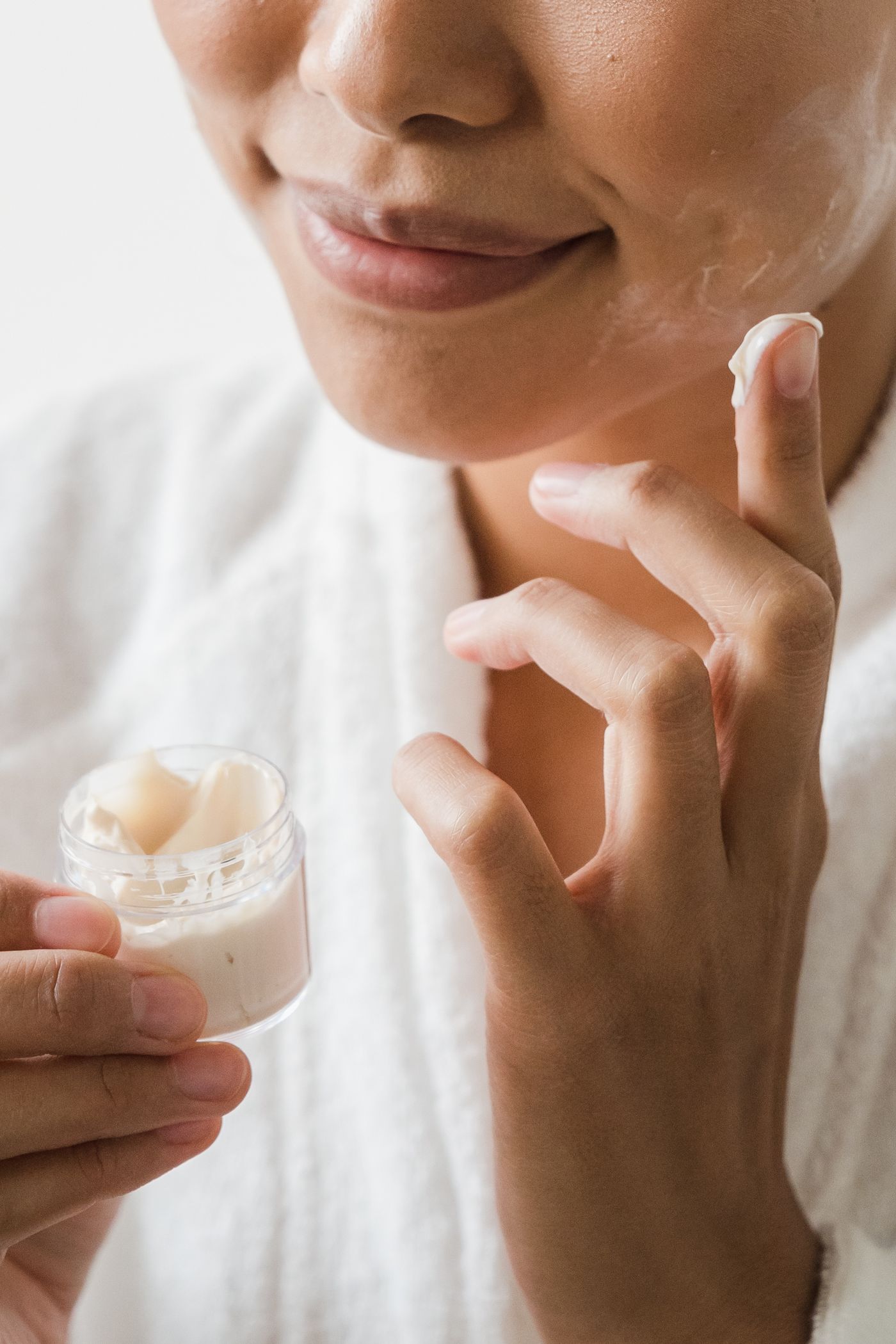
Nighttime is not a magic repair window. It is part of your body's natural circadian rhythm.
The biggest mistake is going to bed with the day still on your face
Makeup, sunscreen, excess sebum and city pollution are not ingredients your skin needs overnight. London air alone gives you enough reason to take cleansing seriously, particularly if you commute, spend time outdoors or wear a full face most days.
But “clean” should not mean squeaky. Over-cleansing or repeatedly attacking the skin barrier with harsh products can leave it irritated and dehydrated, which is rather counterproductive when the goal is overnight recovery.
A gentle cleanser followed by a moisturiser that supports the barrier is a much more sensible approach.
If your routine includes actives such as retinoids or exfoliating acids, timing and frequency matter more than cramming every bottle on your shelf into one evening.
Sleep matters more than the 11pm deadline
The most overlooked part of nighttime skincare is not skincare at all. Consistently poor sleep can affect inflammatory pathways, barrier function and the overall appearance of the skin, while adequate sleep gives the body time to carry out its normal repair and regulatory processes.

So if you regularly fall asleep at 1am, the answer is not necessarily panic because you have “missed” the 11pm repair window. There is no biological bouncer checking your bedtime at the door.
What matters more is getting enough quality sleep on a consistent basis. Your skin is responding to your overall circadian rhythm, not a beauty-industry deadline.
Your evening routine should be boring
There is a strange tendency to make nighttime skincare increasingly complicated, as if more products automatically mean more repair. They do not.
Think of the evening as a chance to remove what your skin has dealt with all day, then give it enough support to maintain its barrier while you sleep. Cleanse, moisturise and use targeted actives according to what your skin actually needs.
Remove makeup, sunscreen and daily buildup.
Support the skin barrier while you sleep.
Use targeted actives only when your skin needs them.
Let your body do the rest.
An occlusive layer can also make sense when the barrier is particularly dry or compromised, because reducing water loss overnight can help the skin feel more comfortable by morning. It is not necessary for everyone, though, and oily or congestion-prone skin may prefer a lighter finish.
Frequently Asked Questions
Not according to a universal four-hour timetable. Skin follows circadian rhythms, and several maintenance and repair processes occur during sleep, but the exact timing varies and is not limited to 11pm–3am.
There is no magic skincare benefit attached specifically to being asleep before 11pm. Consistent, sufficient, good-quality sleep is more important than hitting an arbitrary bedtime.
Keep it simple: cleanse away makeup, sunscreen and daily buildup, then use a moisturiser suited to your skin type. Add treatment products such as retinoids or exfoliating acids only when they fit your routine and tolerance.
Yes. Poor or insufficient sleep can affect the skin barrier and inflammatory processes and may leave the complexion looking more tired, dull or stressed.
Final Word
Your skin does not own a clock that strikes 11pm and announces the beginning of repair. It has something more sophisticated: a circadian system that works continuously, responds to sleep and coordinates a range of biological processes while you are offline.
The smartest nighttime routine, then, is not the one with the most steps. It is the one that removes the day's damage, supports the barrier and then gets out of the way so you can actually sleep.

A better night starts with a simpler routine.
Discover straightforward skincare essentials designed to support your everyday routine — without unnecessary steps.
EXPLORE SKINCARE →

