


The Exact Foods That Speed Up Skin Ageing. And the Ones That Don't
Dermal Longevity: The Nutritional Activators of Skin Senescence and the Restorative Alternatives
If someone tells you that eating one particular berry will keep your skin looking young, be sceptical. Skin ageing is not a supermarket aisle problem. The more interesting conversation is what happens when certain foods repeatedly push your blood sugar up and create compounds that can interfere with the collagen holding your skin together.
That process is called glycation. It is one reason the question is not simply “What foods are good for your skin?” but “What are you eating regularly that may be making collagen less flexible?”
First, what actually is glycation?
Glycation happens when sugars in the bloodstream attach to proteins, including collagen and elastin. Over time, these reactions can form compounds called advanced glycation end products, or AGEs, which can make collagen fibres stiffer and less functional.
Sugar + Protein → AGEs
Think of healthy collagen as flexible scaffolding. Glycation gradually makes that scaffolding more rigid, which is one of the reasons skin can lose some of its bounce and resilience as we age.
The foods worth cutting back on
The obvious suspects are foods high in added sugar: fizzy drinks, sweets, biscuits, cakes and heavily sweetened cereals. Regularly eating large amounts can contribute to repeated blood glucose spikes, giving glycation more opportunity to occur.
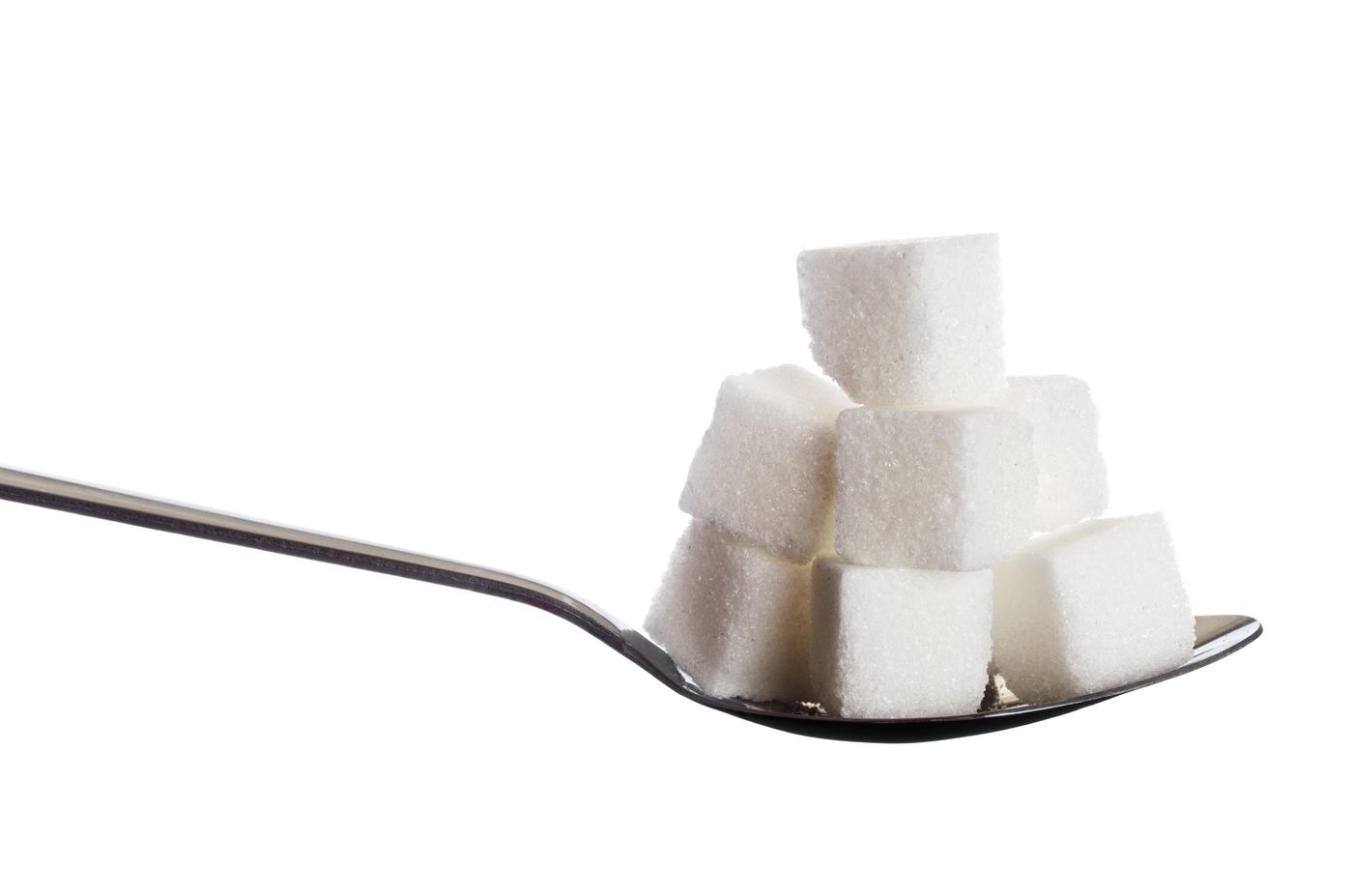
But the less obvious culprit is refined carbohydrate. White bread, pastries and many highly processed baked foods can be broken down into glucose quickly, particularly when they are low in fibre and eaten on their own.
There is another layer: AGEs can also form during cooking. High-temperature, dry cooking methods such as grilling, roasting and frying can create more AGEs in food than gentler methods such as steaming or stewing.
That does not mean your Sunday roast is ageing your face in real time. It means the overall pattern of your diet matters far more than obsessing over one meal.
What you should eat instead
The smarter swap is not “never eat carbohydrates again”. Choose more minimally processed carbohydrates, such as oats, beans, lentils and whole grains, which generally contain more fibre and are digested more slowly.
Fibre helps moderate the rise in blood glucose after meals, which makes these foods a more sensible everyday choice than constantly relying on refined carbohydrates. Pairing carbohydrates with protein, healthy fats or vegetables can also make a meal more balanced.
A minimally processed carbohydrate with useful fibre.
Fibre-rich choices that digest more slowly.
A simple alternative to many refined carbohydrates.
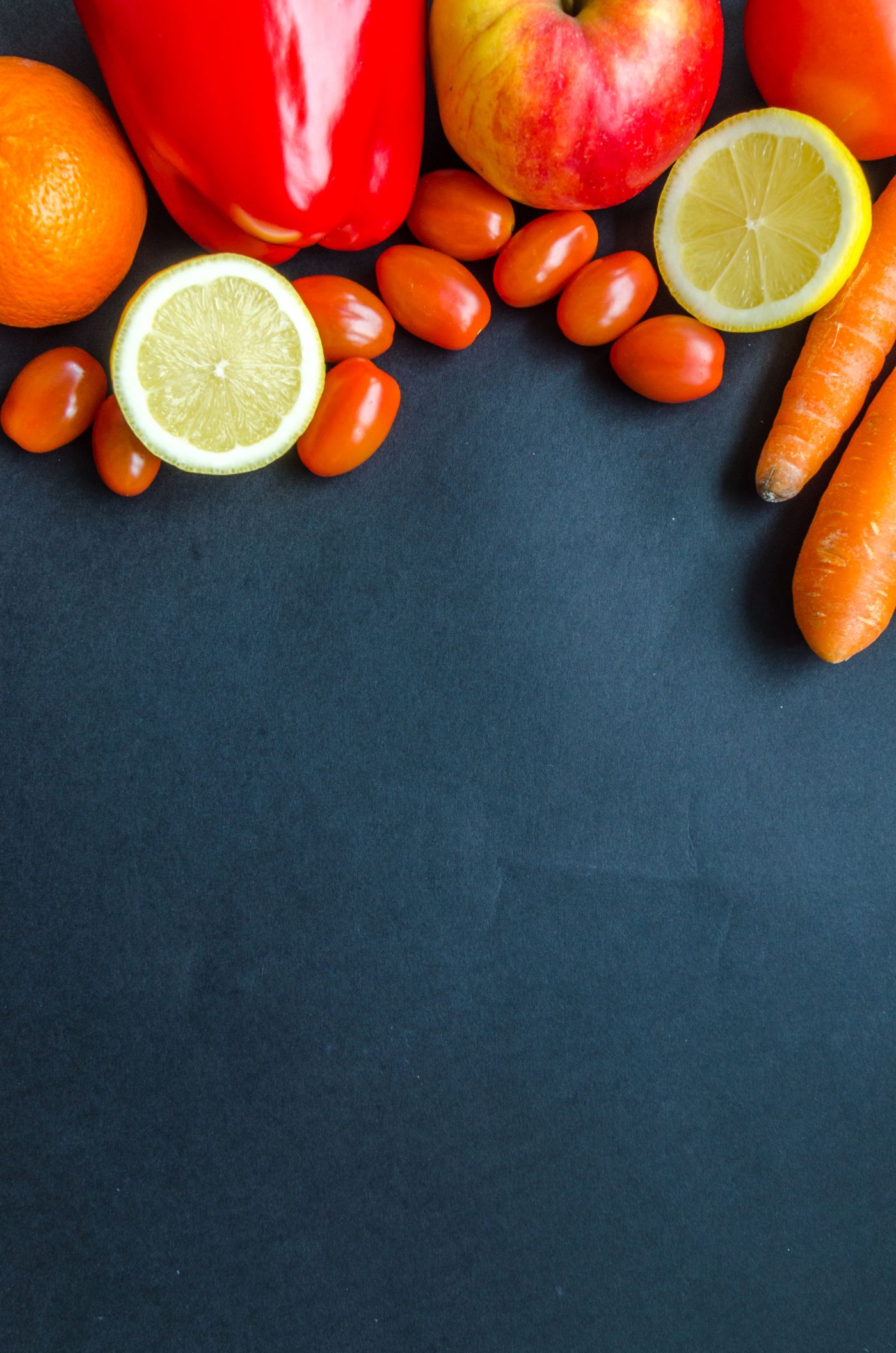
Peppers, citrus fruits, berries and broccoli support normal collagen formation.
Then there are foods rich in vitamin C, including peppers, citrus fruits, berries and broccoli. Vitamin C is involved in normal collagen formation, so these foods support the machinery your skin already uses rather than pretending to replace it.
Cooking matters more than you think
If glycation is the concern, cooking method deserves more attention than most beauty diets give it. Steaming, poaching, boiling and slow cooking generally produce fewer AGEs than high-temperature methods that brown and crisp food.
You do not need to ban the air fryer or develop a fear of toast. The useful takeaway is simply to vary how you cook, especially if most of your meals rely on heavily browned, fried or grilled foods.
And no, you do not need a supplement stack labelled “collagen support” to make this worthwhile. A varied diet that provides protein, vitamin C and other nutrients gives your body the raw materials it needs for normal tissue maintenance.
Frequently Asked Questions
Foods high in added sugars and refined carbohydrates can contribute to blood glucose spikes, while heavily browned or processed foods may contain more dietary AGEs. Overall dietary patterns matter more than avoiding one specific food.
Excess sugar can contribute to glycation, which can affect collagen and elastin over time. It is one factor in skin ageing, alongside UV exposure, genetics, smoking, hormones and normal ageing.
White bread is not inherently harmful to skin, but it is a refined carbohydrate that can raise blood glucose relatively quickly. Choosing whole-grain bread more often is a straightforward way to increase fibre and improve the nutritional quality of the meal.
Reduce frequent high-sugar and highly refined foods, eat more fibre-rich whole foods and vary your cooking methods. You do not need to eliminate sugar completely to make a meaningful difference.
Final Word
The anti-ageing food conversation gets much more interesting when you stop looking for miracle ingredients and start looking at mechanisms. Your skin does not care whether a food is trending on TikTok; it cares about the biological environment you create consistently.
So keep the fruit, eat your vegetables, choose your carbohydrates with a little more thought and stop treating dessert like a dermatological emergency. Good skin nutrition is mostly about patterns, not perfection.

Good skin starts from more than one direction.
Support your skin from the outside with straightforward, barrier-focused skincare designed for everyday routines.
EXPLORE SKINCARE →
